Home > VIMFF 2026 > Kevin Vallely
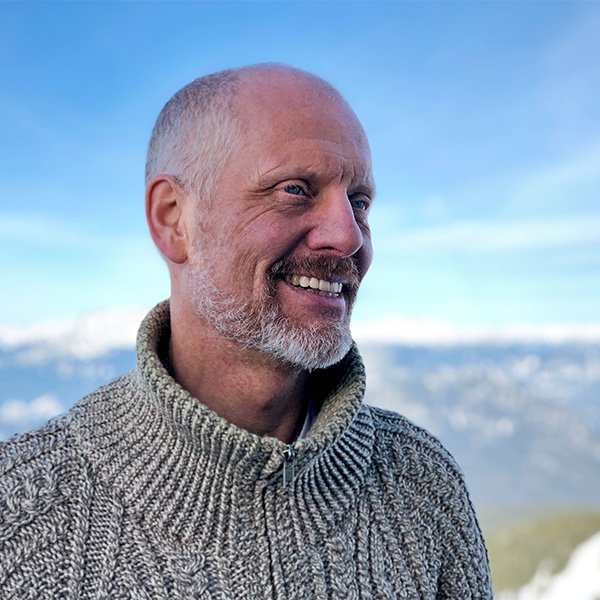
Fellow of RCGS, Explorers Club Kevin is an explorer, writer, architect and a happily-married father of two. Among Kevin’s many expeditions, he has skied the length of Alaska’s 1180 mile Iditarod Trail in winter, retraced the infamous Sandakan Death March through the jungles of Borneo for the first time since WWII and rowed a boat across the stormy waters of the Northwest Passage to bring awareness to climate change. In 2009, he was part of the team that broke the world record for the fastest journey to the South Pole.
Some places don’t let you go.
Ellesmere Island—Canada’s northernmost landmass—sits at the edge of the known world. Vast, silent, and unforgiving, it is so remote that in parts, more people have stood on the moon than have ever set foot there. For Ray Zahab and Kevin Vallely, it’s a place that kept calling them back.
In 2022, Zahab and Vallely attempted to ski its length and failed. They vowed to return. The road back was shaped by challenges significant enough to end most expeditions before they begin. Plans shifted and assumptions slipped away. What remained was a simple choice: walk away, or return with deeper resolve. When they finally returned in March 2025, it wasn’t to conquer the island, but to experience it. Ellesmere offered no mercy. Bitter cold and extreme isolation demanded patience and absolute commitment.
Then the wolves came.
Unfinished Business is not a story of conquest. It’s a story of return—of persistence, partnership, and humility in one of the most remote places left on Earth.
Big adventures don’t fail because people lack courage—they fail because of what gets overlooked before the journey begins.
In this one-hour, story-driven workshop, explorers Ray Zahab and Kevin Vallely share how serious expeditions are actually prepared, and how experienced teams stay effective when plans unravel. Drawing on journeys across the Arctic, deserts, polar ice, and remote mountain ranges, they explore the often-invisible work that happens long before the first step is taken: decision-making under uncertainty, team dynamics, risk awareness, mental readiness, and systems that allow rapid adaptation.
This is not a gear checklist or a how-to clinic—though participants will see and handle real expedition equipment used in extreme environments. Instead, the focus is on preparing for uncertainty itself, when weather shifts, equipment fails, routes disappear, or assumptions prove wrong.
Whether you’re planning a remote expedition or your first serious backcountry trip, this session offers hard-earned insights into how great adventures are really made.

Sharing our festival will help us grow and get important film content to new viewers!